Prior to the time that anyone could set the Megalodon tooth on a table, take a photo of it, or even study its sharp edge, the tooth was performing something else that was far less tranquil. The tooth belonged to the largest predatory fish ever live in the oceans of Earth. Then the tooth was lost. That would be it for the majority of things. If you have a fossilized dinosaur it could be the very beginning.
Fossil Driven offers specimens which have passed through geological processes that are not measured in centuries or years, but in millions. Understanding the journey can change the experience of looking at the fossil. The viewer is no longer gazing at an interesting object. You’re seeing physical evidence of a long-gone world.
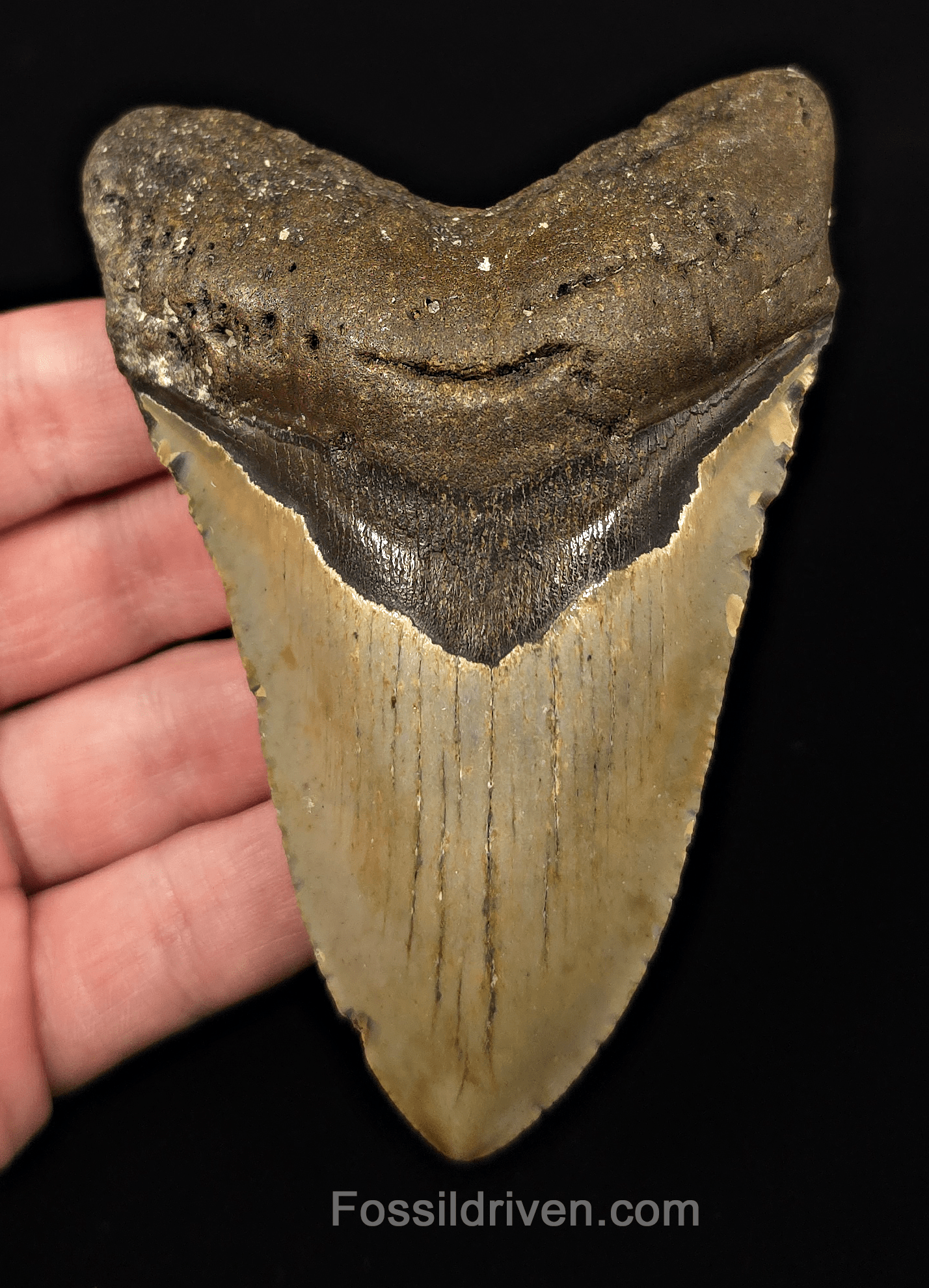
Image credit: fossildriven.com
First Station: An Ancient Ocean
Look at the Megalodon Molars that are found in West Java, Indonesia. Aproximately 20 million years ago, the areas that are dry land today were part of warm marine environments. Megalodon sharks inhabited those prehistoric waters along with numerous other species of marine life.
Like modern sharks Megalodon always produced and lost teeth. A few of the teeth were buried in marine sediments. If the conditions are favorable burial may protect them for sufficient time to permit fossilization.
Then, Geology came in.
The following chapter went by incredibly slowly. Sediments accumulated. Minerals interacted with the buried material. The forces of geology altered landscapes and environments that had once been underwater eventually were transformed into the land we recognize today. The reasons for the distinct colors in fossil teeth is what customers are able to see when they browse Megalodon teeth on auction.
Indonesian specimens in West Java’s Miocene Bentang Formation are often dark brown, golden, blue, red or black. Some even display several shades on a single tooth. The mineral conditions surrounding a specimen can influence the color of a specimen following a long burial. Nature is unable to reproduce the effects in the mass. Each fossil tells its own geological tale.
Discovery Begins Another chapter
A fossil that was buried for millions years is eventually recovered. The identification and documentation of the fossil are now important.
Collectors look at authentic megalodon tooth specimens for sale and aren’t merely evaluating the appearance. Information about locality, geological age preservation, repairs and restoration help to explain what they’re actually considering.
Natural wear doesn’t erase the historical significance of the fossil. The past of the specimen could be seen in a worn-out tip or an imperfect root or a striated surface. What matters is representing the condition of the specimen accurately.
Fossil Driven has over 13 years of experience in fossil identification and works with established suppliers and fossil hunter. The specimens are examined and described with pertinent details whenever possible.
Eventually it happens that the Fossil is found by someone’s hands.
People buy real Fossils for many reasons. Many people create a meticulously separated collection. Some people want one dramatic item to stimulate conversation. A child who is fascinated by prehistoric animals could receive their first fossil that can ignite a lifetime passion for paleontology.
Megalodon’s teeth are only one method to enter the world. Trilobites, Dinosaur molars and ammonites belong to the numerous fossils that are a part of Earth’s ancient past.
The greatest thing is knowing that it’s real
A replica is able to duplicate the look and feel of a tooth from the past. The replica can’t recreate its history. It is not possible to reproduce its history.
This is why authenticity is important. When you hold a real fossil it is a thing that has accomplished an incredible journey through time. Its most recent stop is the display case.