Robotic arms have revolutionized manufacturing, mixing safety, precision effectiveness, and other aspects that were previously unimaginable. The mechanical marvels, often called robot arms – have been a necessity for industries around the world, due to the urgent necessity to reduce operating costs without compromising on quality. In integrating robotic arms into production lines, companies are not only cutting expenses but also improving safety in the workplace and productivity. Discover how these revolutionary machines have transformed the industrial landscape.
The cost-effectiveness of robotics is driving the adoption of robotic arms worldwide. Factories are under constant pressure to reduce manufacturing errors, cut down on production waste, and cut down on work-related accidents. Robotic arms were designed to combat these challenges. Robot arms eliminate costly mistakes and decrease the amount of raw materials by performing repetitive tasks much more accurately than humans. In high-volume industries like automotive manufacturing, robotic arms ensure perfect assembly through precise welding and parts positioning. This quality of work can result in significant savings, as fewer defective items mean less rework and less waste.
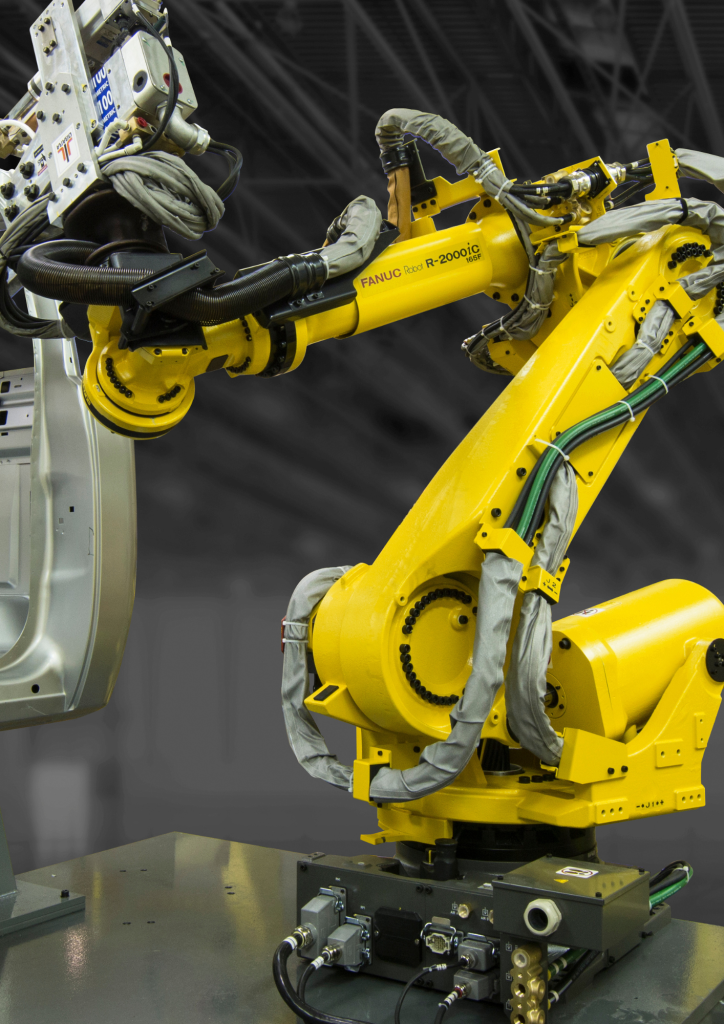
Image credit: automatedsolutions.com.au
Safety is another important factor in the development of robotic arms. Human workers are in danger in the course of performing a variety of jobs in manufacturing, such as handling dangerous materials or operating large machinery. With the help of robot arms, enterprises can take workers away from dangerous areas. This minimizes the possibility of workplace injuries. Robotic arms, designed as a chain of joints that move could mimic the function of human arms, without causing physical damage. They are equipped with robotic hands, or programmable end-effectors. They can perform tasks like grasping, spinning and welding under conditions that could make it unsafe for humans.
Robot arms’ versatility is an exciting development in a variety of industries. From automotive assembly to electronic production, robot arms can be adapted to a variety of tasks. Because they are programmeable, they can to perform complex operations like tending machines paint, or fiberglass applications, with a remarkable quality and consistency. Robotic arms have revolutionized the process of palletizing in warehouses, allowing it to be automated with speed and precision. The automation does not just boost effectiveness but also guarantees security, as robot arms can run for a long time without fatigue.
The rise of cobots (collaborative robots) that collaborate with human employees is among of the most exciting advances in the field. Contrary to traditional industrial robots which are restricted to isolated cells, cobots outfitted with robotic arms are designed for a safe, seamless interplay with humans. A cobot’s robotic hand can be utilized to complete heavy lifting and repetitive tasks in factories, so that human workers can free up to handle more complex duties. The collaboration improves productivity and creates a safer work environment, as cobots can be programmed to adjust or stop their actions when a person is near.
The impact of robotic arms goes far beyond safety and efficacy to the very foundation of modern manufacturing. The ability of robotic arms to perform tasks that require precision like welding, material handling, or assembly have made them vital in fields which place safety at the forefront. In the automotive industry for instance, a robot arm can move and position components during assembly to ensure perfect alignment without the necessity of human intervention. Similarly, in electronics, robot arms handle delicate components with care, reducing damage and improving output quality.
As the world of manufacturing continues to change with the advancement of technology, the need for robotic arms will only increase. Their capacity to cut costs, improve safety and adjust to different tasks positions them as the foundation of the future of manufacturing. Robot arms that blend the latest technologies and human creativity they are not just tools they are also partners in the process. They fuel innovation and transform how the world is constructed.