Think about the sandwich you often eat for lunch. Two slices of bread, a preferred filling, perhaps a touch of mayonnaise, and lunch is sorted. What changes if you want to reduce the carbs in your diet?
You may not need to change the ingredients inside at all; switching the bread could make a meaningful difference. The carbohydrate content of two slices is a practical starting point for anyone exploring keto-friendly meals.
Why Compare Bread by the Sandwich?
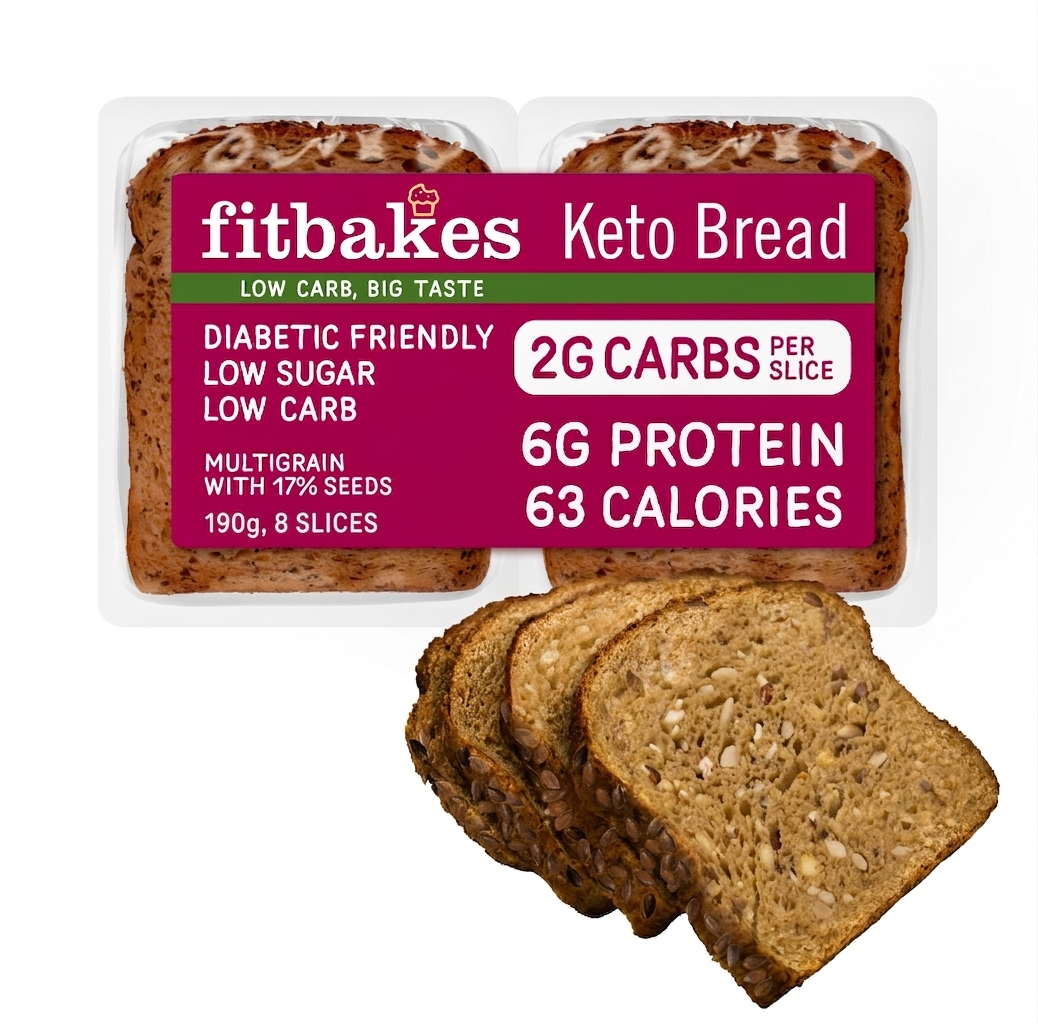
Image credit: fitbakes.co.uk
Comparing products while searching for the lowest bread carbs is not always straightforward. Some loaves advertise carbohydrates per slice, while others highlight figures per 100g. The most useful comparison often starts with the quantity you usually eat. When your lunch uses two slices, work out the carbohydrate total for the slices before adding anything else.
Comparing the amount you actually eat gives a clearer picture than relying on a headline claim. The manufacturer markets Fitbakes Seeded Low Carb Loaf at 0.8g net carbohydrates per slice; two slices therefore amount to approximately 1.6g net carbohydrates. The manufacturer’s product page also displays a 2g carbohydrate claim, so checking the latest nutritional label is advisable.
How Does Keto-Friendly Bread Differ?
A common question about bread and keto is whether eating bread is compatible with the approach. Starch is a major source of carbohydrates in traditional wheat bread. Alternative formulations allow keto-friendly breads to offer a familiar bread experience with fewer carbohydrates.
Even when a loaf is called keto-friendly, it may contribute carbs to your diet. Daily portions, spreads, fillings, and other meals still contribute to the total you consume. Using reduced-carbohydrate bread for a sandwich can leave additional choice for the other ingredients.
Seeds, Protein, and Everyday Nutrition
A bread comparison should involve more than one nutrition number. The manufacturer lists 7g protein per slice and a 17% seed content for Fitbakes seeded bread, including golden linseeds and golden linseeds. The manufacturer also reports 63 calories per slice. Seeds contribute a distinctive taste and texture, while protein is an important nutrient for normal body maintenance.
A comparison of bread with low carbohydrates should also include protein, ingredients and allergens. Whether a loaf is right for you depends on your dietary requirements, not only its carb figure.
Making Toast With Low-Carbohydrate Bread
Taste and satisfaction are reasonable questions when trying different bread. Some reduced-carbohydrate loaves have a different texture from traditional supermarket bread. The manufacturer suggests putting its Seeded Low Carb Loaf in the toaster for a nutty, golden result. At breakfast, pair it with scrambled eggs; at lunch, make an open sandwich with avocado, tomatoes and seasoning.
Bread with low carbs can also accompany soup or provide a convenient base for a quick lunch. Keeping simple serving options in your routine may help you adjust your diet without changing everything at once.
Reading the Label Before Buying
To get a clearer picture of carbs in low carb bread, read beyond the packaging headline. Check the serving size, carbohydrate information, protein, fibre, and ingredient list. Because UK labels generally separate carbohydrates from fibre, take care while comparing them with international nutrition panels that may follow different rules.
A net carbohydrate claim is worth reviewing alongside the product’s complete nutrition information. This is particularly useful during a comparison of products with different slice weights.
Reducing Carbs Without Changing Every Meal
You can reduce carbohydrates without replacing all your regular meals. By choosing a suitable alternative to ordinary bread, you may be able to keep familiar meals on the menu with a distinct carbohydrate total.
Fitbakes Seeded Low Carb Loaf offers one such option, combining a seeded recipe with low carbohydrate and high protein figures reported by the manufacturer. Ultimately, the best choice is a bread that fits your nutritional preferences, tastes enjoyable, and works with the meals you regularly prepare.