Color may be exactly right, but extended wear brings out a problem with cap comfort. A natural-looking front is welcome, but another customer finds a daily twenty-minute lace routine too time-consuming. Someone else buys a beautiful unit, only to discover that the density feels heavier than expected.
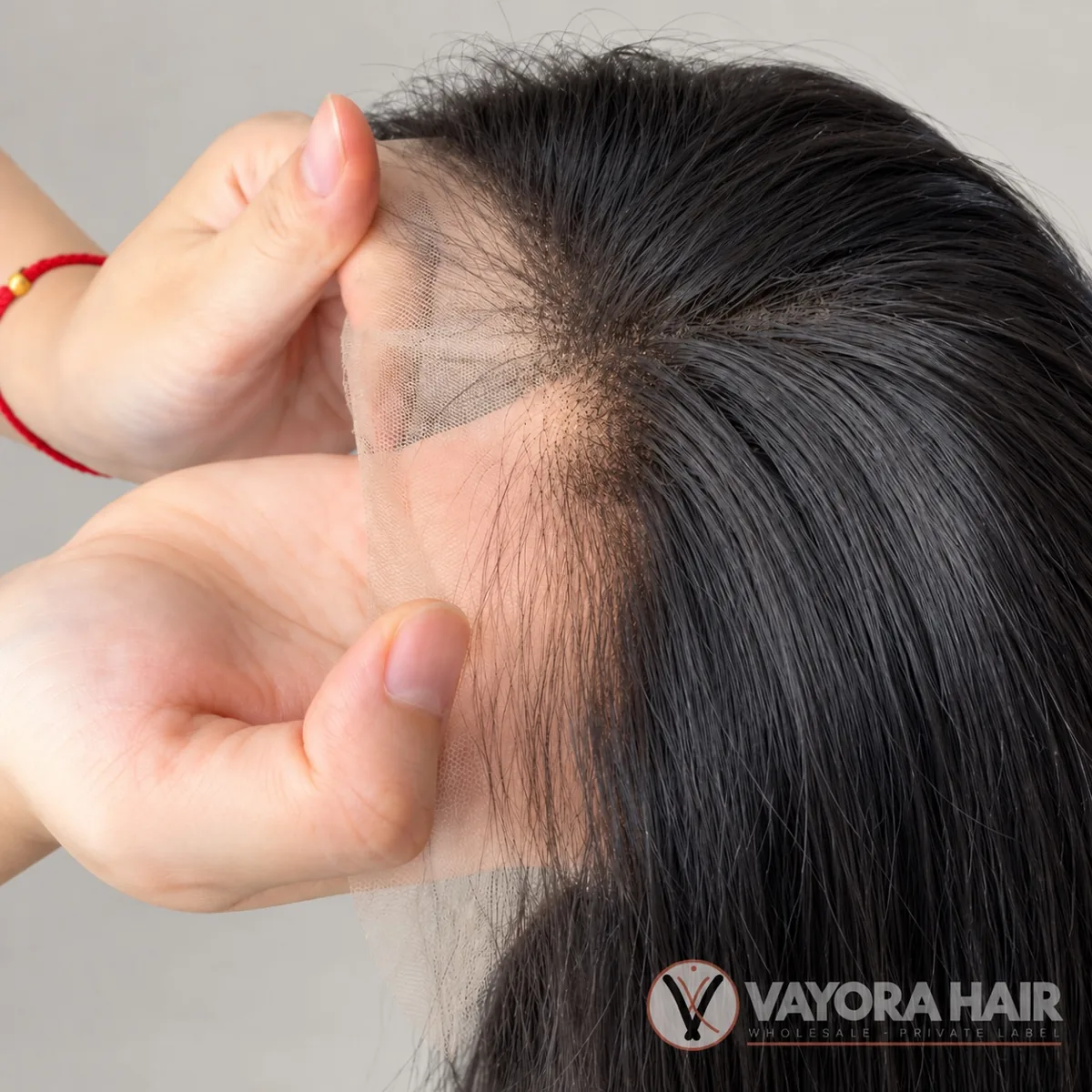
Image credit: vayorahair.com
A product development team can view such observations as something beyond reviews. Such comments can guide product development toward products that deliver a wearing experience people appreciate.
Building a well-received range involves more than chasing a viral hairstyle. What matters is recognizing what customers want to get out of the experience when they wear a wig.
What Buyers’ Concerns Reveal About Product Needs
Customers rarely describe their needs using manufacturing terminology. They talk about comfort, convenience, appearance, and confidence. A glueless construction could be one response to feedback about simplifying morning preparation. If customers complain about the hairline’s appearance, the team may need to review knot treatment and the look of the lace, along with the density or design of the part.
Turning everyday customer concerns into measurable requirements is a capability to look for in a human hair wig manufacturer China brands choose.
A 22-inch body-wave description need not define the entire order. Buyers can also specify the intended wearing experience, cap fit, lace construction, hairline appearance, and finished weight. That level of detail gives the development team a clearer target.
Making a Distinction With Your Private Label Wig Range
A common pitfall for emerging wig brands is to build their range around whatever is popular at the time. The result can be a collection that looks remarkably similar to competing stores.
A collaborative relationship with a private label wig manufacturer China retailers choose can help a brand develop a more unified product identity. The identity might be expressed through a lightweight everyday collection, a premium natural-hairline line, or ready-to-wear products intended for customers who prefer minimal preparation. Every choice, from length, texture, and color to density, cap construction, and packaging, should reflect the same promise to customers. A distinctive product range can encourage repeat visits for reasons other than a limited-time price reduction.
Consider More Than the Glueless Label
Although the word “glueless” suggests simplicity, the experience of wearing the wig depends on a range of construction details. To understand fit, consider adjustment features and cap sizing, attachment components, lace preparation, and hairline design. All influence how comfortable and secure the wig feels.
A buyer working with a glueless wig manufacturer China brands select should expect help in defining these requirements prior to production. Manageable density, pre-cut lace, and simple adjustment features may be particularly important when the intended customers are inexperienced wig users. Different ways to customize the unit might be necessary in a collection aimed at professional stylists. Neither approach is automatically better. The two approaches address the needs of different customer groups.
Sample Review and Brand Reputation
There are aspects of a wig that cannot be assessed from a photograph by itself. Evaluating the unit means looking at the fit of the cap, hair movement, color accuracy relative to expectations, and whether the final construction follows the approved design. Reviewing samples allows buyers to spot differences before ordering in greater quantities.
For a wholesale human hair wigs supplier, documented specifications and quality-control procedures are especially important when the same style must be produced repeatedly. Without clear references, a successful first batch may be difficult to reproduce consistently.
Build a Collection That Can Grow
For B2B wig brands, retailers, and distributors, VAYORA supports product development, private label services, sampling, specification control, and repeat-production workflows. Its approach connects customer expectations with the physical details that determine how a wig looks, fits, and feels.
Prior to expanding a product range, brands should examine customer feedback, identify their strongest product opportunities, and set clear approval standards. The next successful collection may not require more styles. The greater opportunity may lie in reducing trade-offs in existing desirable styles.